
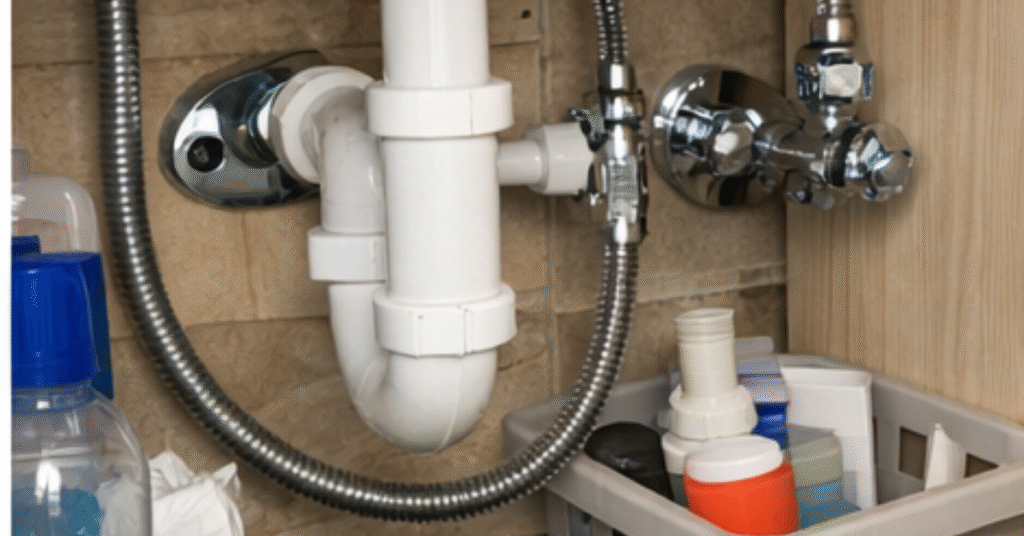
A leaking water heater pressure relief valve (PRV) is one of the most common issues homeowners in Tacoma encounter. While it may seem minor, ignoring a PRV leak can lead to significant water damage, increased utility bills, or even safety hazards. Understanding why leaks occur and how to address them is essential for maintaining an efficient and safe water heating system.
In this comprehensive guide, we’ll explain how a pressure relief valve works, explore the most common causes of leaks, offer safe troubleshooting steps, and advise when it’s necessary to contact a professional service like Einstein Pros.
What Is a Water Heater Pressure Relief Valve?
The pressure relief valve is a critical safety component installed on every water heater. Its purpose is to release excess pressure if the tank becomes overpressurized, preventing potential explosions or tank ruptures. When working correctly, the valve remains closed and only opens under extreme conditions. A constant leak, however, signals an underlying issue that should not be ignored.
Common Causes of Pressure Relief Valve Leaks
Understanding the root cause of a PRV leak can help determine whether a simple fix or professional intervention is needed.
1. Excessive Pressure Inside the Tank
One of the most common reasons for a leaking PRV is excessive internal pressure. When water heats, it expands. If the water heater does not have adequate expansion capacity—through an expansion tank or pressure control—the excess pressure forces the PRV to open. Persistent dripping often indicates that tank pressure is consistently exceeding safe limits.
2. High Water Temperature
If the thermostat is set too high or malfunctions, water can overheat and cause increased pressure. The Department of Energy recommends keeping water heater settings around 120°F to balance comfort and safety. Temperatures above 140°F significantly increase the likelihood of PRV discharge.
3. Sediment Buildup
Tacoma’s water supply can contain minerals that settle at the bottom of water heater tanks. Over time, sediment buildup can restrict pressure regulation, affecting temperature sensors and causing overheating. Sediment may also clog the PRV itself, causing it to leak or malfunction.
4. Worn or Faulty Valve
Like any mechanical component, the pressure relief valve can wear out over time. A worn seal, corrosion, or manufacturing defect may cause perpetual dripping. If the valve continues leaking after system pressure and temperature are confirmed to be within normal range, the valve itself may need replacement.
Warning Signs That Should Not Be Ignored
A minor drip may not always mean immediate danger, but it should never be ignored. Look for the following warning signs:
- Hissing or steam release from the valve
- Rust or corrosion around the valve or discharge pipe
- Pooling water near the base of the water heater
- Sudden fluctuations in water temperature
These signs can indicate escalating pressure or a failing component that requires prompt attention.
How to Safely Address a Leaking Pressure Relief Valve
Before attempting any repairs or adjustments, always prioritize safety. Turn off power to the water heater—electric at the breaker panel, gas at the shutoff valve—and allow the unit to cool.
Step 1: Check the Temperature Setting
Access the thermostat and make sure it is set to a safe temperature (around 120°F). If the thermostat is set higher or malfunctioning, adjust or replace it to prevent overheating.
Step 2: Test the Valve Manually
Lift the test lever on the PRV slightly to allow a burst of water to flush debris. If sediment is causing the leak, this may temporarily resolve it. Use caution—hot water will discharge during this test.
Step 3: Inspect System Pressure
Consider installing or checking an expansion tank. Excessive household water pressure can be mitigated by a pressure-reducing valve on the main water line. Consult local plumbing codes in Tacoma to ensure compliance.
Step 4: Replace the Valve If Necessary
If testing and adjustments do not stop the leak, the valve may be defective. Replacing a PRV involves shutting off water supply, draining the tank to a safe level, and installing a new valve using approved Teflon tape and thread sealant. While some homeowners attempt DIY replacements, professional assistance ensures safety and code compliance.
For expert water heater service and safety inspections, contact Einstein Pros to ensure your system is professionally evaluated and repaired.
When to Call a Professional
While minor adjustments and inspections can be done by careful homeowners, certain situations require licensed expertise:
- Recurring leaks after valve replacement
- Evidence of corrosion or tank damage
- Scalding water or fluctuating temperatures
- Lack of an expansion tank in a closed plumbing system
Water heaters involve pressurized hot water, gas or electrical systems, and code compliance—making professional evaluation the safest option.
Preventing Future Leaks
Routine maintenance can significantly reduce the likelihood of PRV leaks and extend your water heater’s lifespan.
Annual Maintenance Tips
- Flush the water heater annually to remove sediment buildup.
- Inspect the PRV and discharge pipe for rust or leaks.
- Test the valve using the manual lever to ensure functionality.
- Monitor household water pressure with a gauge.
Einstein Pros offers scheduled maintenance programs in Tacoma designed to keep your water heater performing safely and efficiently all year.
Final Thoughts
A leaking pressure relief valve is more than a nuisance—it’s a warning sign. Whether due to excessive pressure, overheating, sediment, or component failure, addressing the root cause promptly protects your home and ensures hot water reliability. If you are unsure of the cause, it’s best to rely on professional guidance.
For trusted plumbing and water heater services in Tacoma, visit Einstein Pros and schedule an inspection today.
By understanding how your water heater’s PRV functions and recognizing early signs of trouble, you can take proactive steps to maintain a safe and efficient home. Regular maintenance, proper temperature settings, and professional support are essential in preventing leaks and ensuring long-term performance.
Sources: