
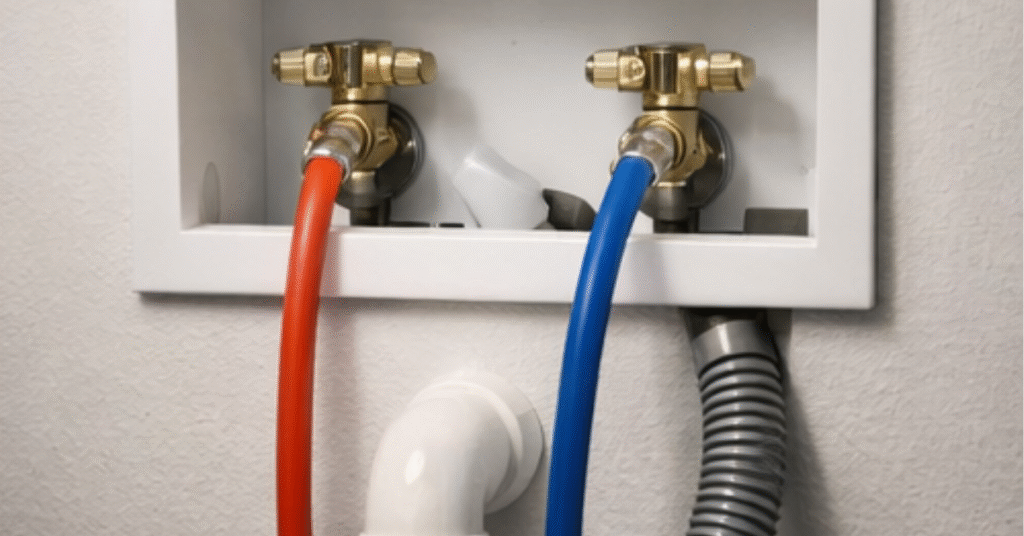
A water heater is one of the most essential systems in any Tacoma home, yet it’s also one of the most overlooked. Most homeowners only think about their water heater when something goes wrong—cold showers, leaks, strange noises, or rising utility bills. However, routine water heater maintenance is one of the most cost-effective ways to protect your home, reduce energy consumption, and avoid expensive repairs or replacements.
In this comprehensive guide, we break down why regular maintenance truly saves money, what maintenance includes, and how often you should schedule service.
For professional water heater maintenance and repairs, visit
Einstein Pros.
1. Improved Energy Efficiency Lowers Monthly Bills
Water heaters account for approximately 18% of a home’s energy usage, according to the U.S. Department of Energy. Over time, sediment builds up inside the tank, creating insulation between the heating element and the water. This forces the water heater to run longer and work harder just to deliver the same amount of hot water.
Regular maintenance, including flushing the tank, removes this sediment. The result:
- Faster heating
- Improved efficiency
- Lower energy bills
- Reduced wear on components
The Department of Energy recommends annual flushing to maintain optimal performance. Even tankless systems, although more efficient, require descaling to remove mineral buildup.
2. Preventing Expensive Breakdowns and Emergency Repairs
Most water heater failures do not happen suddenly—they develop slowly due to wear, corrosion, mineral buildup, or failed components. The reason failures feel sudden is because homeowners rarely notice the signs.
Regular inspections help identify:
- Failing heating elements
- Corroded anode rods
- Damaged temperature and pressure relief valves
- Leaks developing in tank seams
- Gas or electrical issues
- Inefficient thermostat operation
Neglecting these issues often turns a small, affordable fix into a major problem. For example:
- A worn anode rod, which costs little to replace, can lead to early tank corrosion and require a full replacement.
- Ignoring sediment buildup increases pressure, leading to leaks or tank failure.
- Overworked components cause inconsistent temperatures and increase utility costs.
Emergency water heater repairs can be expensive, disruptive, and dangerous—especially if leaks cause water damage or mold growth.
Routine maintenance is a cost-friendly alternative that extends the life of your equipment.
3. Longer Water Heater Lifespan Saves You Thousands
The average water heater lasts 8–12 years, but properly maintained units often last significantly longer. This is supported by guidance from U.S. Department of Energy, which emphasizes maintenance as a key factor in water heater longevity.
Replacing a water heater typically costs hundreds or thousands of dollars depending on the model and installation complexity. By performing simple annual maintenance, you delay that replacement cost for years.
Key maintenance tasks that extend lifespan include:
- Flushing sediment
- Replacing the anode rod
- Checking the pressure relief valve
- Descaling tankless systems
- Inspecting connections for corrosion
- Testing the thermostat
These steps ensure your system runs smoothly and stays structurally sound.
4. Cleaner, Safer Hot Water for Your Home
Sediment buildup doesn’t just affect efficiency—it can also affect water quality. When minerals and debris accumulate at the bottom of the tank, they can circulate through your hot water lines.
Additionally, failure to maintain the temperature and pressure relief (T&P) valve can lead to unsafe pressure levels. The Consumer Product Safety Commission highlights the importance of properly functioning temperature controls in hot water systems to prevent scalding and pressure hazards.
Routine maintenance ensures:
- Clean hot water
- Stabilized temperature
- Correct pressure levels
- Safe operation
A clean, well-maintained unit provides better water quality and improved system safety for your household.
5. Lower Environmental Impact
A well-maintained system uses less energy and water, reducing your carbon footprint. According to the EPA WaterSense Program, efficient home systems play a major role in conserving water and reducing utility strain.
By maintaining your water heater, you:
- Reduce energy waste
- Conserve water
- Lower greenhouse gas emissions
- Support overall home efficiency
Sustainability doesn’t always require expensive upgrades—sometimes, simple maintenance makes the biggest impact.
6. Maintenance Helps Identify When It’s Time to Upgrade
Even the best systems don’t last forever. Through regular inspections, you receive accurate guidance on when it’s more cost-effective to replace your water heater rather than continue repairs.
Signs replacement may be approaching include:
- Frequent repairs
- Rising energy bills
- Rust-colored water
- Persistent noises
- Age above 10 years
- Leaks or corrosion
Maintenance visits allow professionals to document these warning signs early, helping you plan ahead instead of facing sudden, costly breakdowns.
How Often Should You Schedule Water Heater Maintenance?
Most experts—including the Department of Energy—recommend annual maintenance. However, Tacoma homeowners may need more frequent service if they have:
- Hard water
- Older systems
- High household hot water usage
- Tankless units requiring descaling
Scheduling maintenance once a year is usually enough to keep the system efficient, safe, and long-lasting.
For reliable service in Tacoma, visit Einstein Pros.
Final Thoughts
Regular water heater maintenance is a simple, cost-effective way to:
- Reduce monthly utility bills
- Extend the lifespan of your system
- Prevent expensive repairs
- Improve water quality
- Maintain safety
- Protect your home from leaks and damage
When weighed against the costs of emergency repairs or a full replacement, routine service offers exceptional long-term value.
To schedule professional water heater maintenance or inspection, contact
Einstein Pros.