
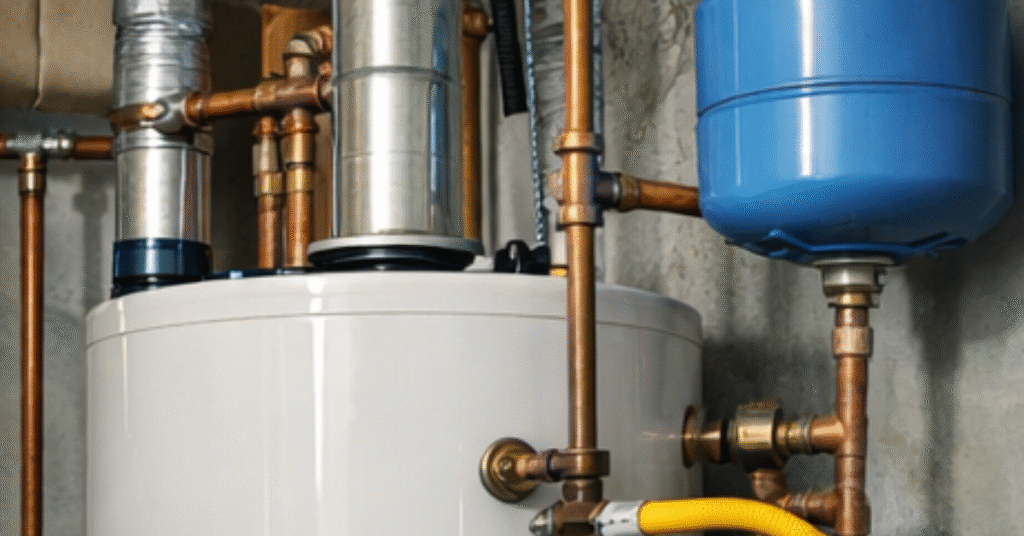
A failing water heater rarely quits without warning—but too many homeowners miss the critical signs until it’s too late. A sudden water heater breakdown can mean cold showers, water damage, emergency repair costs, and unnecessary stress. If you live in Tacoma or the surrounding areas, understanding when to replace your water heater before failure can protect your home from unexpected disasters.
This comprehensive guide walks through the top five warning signs that your water heater is nearing the end of its lifespan. We’ll also explain why early action is more cost-effective than emergency replacement, and how a professional evaluation from a trusted plumbing company like Einstein Pros can give you peace of mind.
1. Age of the Unit: Most Systems Fail After 10–12 Years
The average lifespan of a traditional tank water heater is 8 to 12 years, according to the U.S. Department of Energy(energy.gov). Once your tank approaches or exceeds this range, the risk of leaks, corrosion, or sediment failure increases rapidly.
How to Check Your Heater’s Age:
Look for the manufacturer’s label on the unit. The serial number typically includes the date code (often the first four digits represent month and year). If your water heater is over a decade old, preemptive replacement is strongly recommended—even if it still produces hot water.
Why Age Matters:
Internal tank linings weaken over time due to thermal expansion, mineral buildup, and wear on the anode rod. Once an internal leak begins, repair is not possible—replacement is the only option.
2. Rusty or Discolored Hot Water Output
If you notice brown, rusty, or murky water coming from the hot water tap only, it may be a sign of internal tank corrosion. While discolored water could originate from older galvanized plumbing pipes, water heater rust typically signals that the tank’s interior lining has deteriorated.
Confirm the Source:
- Run cold water: If it’s clear, but hot water is rusty, your heater is the likely culprit.
- Persistent metallic taste or orange tint means corrosion is spreading.
Once rust has penetrated the tank, failure is inevitable. Replacement becomes urgent to avoid a complete rupture.
3. Frequent Rumbling, Knocking, or Popping Sounds
Unusual noises are a strong symptom of sediment buildup at the bottom of the tank. Over time, Tacoma’s municipal water—often rich with minerals—can deposit scale inside the heater. As sediment hardens, it traps heat and creates boiling pockets, leading to knocks, pops, and rumbles.
According to The Spruce (thespruce.com), sediment buildup reduces efficiency and accelerates tank wear by overheating steel. Flushing your heater annually can extend its life, but when noises persist even after maintenance, internal wear has likely progressed beyond repair.
Warning: A heavily sedimented tank is prone to cracking, overheating, or pressure buildup. Replacement is safer than repair.
4. Water Leaks or Moisture Around the Tank Base
Even a small pool of water around your heater is cause for concern. Leaks often originate from expansion cracks, internal tank failure, or unsecured fittings.
Common Leak Sources:
- Cracked tank lining
- Loose drain valve or T&P (temperature & pressure) relief valve
- Failed internal corrosion protection
Once the inner tank rusts through, no sealant or patch can fix it. A leaking heater can burst and release 40+ gallons of water, damaging floors, drywall, and electrical systems.
If you see moisture or corrosion at the tank base, schedule an evaluation with Einstein Pros immediately rather than risking catastrophic failure.
5. Inconsistent Hot Water or Rising Energy Bills
If your heater struggles to maintain water temperature or the hot water runs out quicker than before, it may indicate heating element failure or sediment insulation. A failing heater consumes more gas or electricity to produce less output—raising your monthly utility bills with little performance.
Compare Bills:
Use historical billing through resources like your Tacoma Public Utilities online portal to notice trends. If heating costs climb but water usage remains stable, inefficiency is likely coming from your hot water system.
Persistent issues include:
- Lukewarm water
- Rapid temperature drops mid-shower
- Long reheating times
These indicate internal deterioration—time to replace, not repair.
Why Replacing Early Saves Money (and Stress)
Delaying replacement risks:
- Sudden failure during cold months
- Emergency plumbing costs
- Mold, flood, and property repairs
- Loss of hot water for days
Planned replacement allows homeowners to choose an energy-efficient model, schedule professional installation, and avoid emergency price surges.
For Tacoma residents, replacing older units with high-efficiency or tankless options can also lower utility bills and improve home value.
When to Call Experts
A professional inspection can verify whether repairs are viable or replacement is necessary. Einstein Pros provides full diagnostic assessments, safety checks, and honest recommendations based on the condition and age of your equipment.
Rather than waiting for disaster, take proactive steps to ensure reliable hot water year-round.
Final Checklist: Do You Need a New Water Heater?
| Sign | Action Needed |
|---|---|
| Over 10 years old | Plan replacement soon |
| Rusty/discolored hot water | Likely internal corrosion |
| Rumbling or knocking sounds | Sediment damage |
| Leak or moisture at base | Urgent—replace |
| Inconsistent hot water or high bills | Declining efficiency |
Protect your home from preventable damage. If you notice one or more of these signs, contact Einstein Pros for a water heater evaluation before it fails.
Sources: