
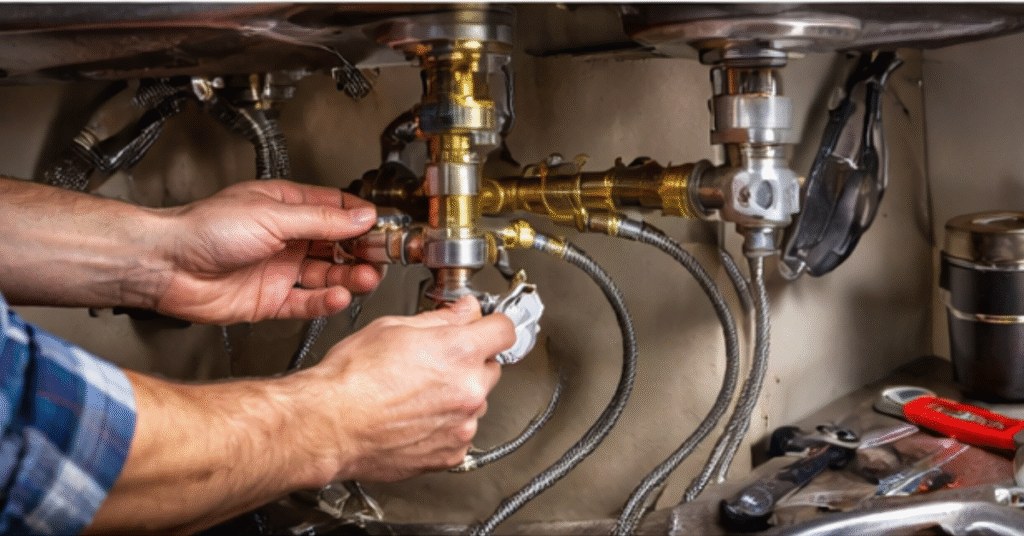
Low water pressure is one of the most common plumbing issues that homeowners in University Place, WA experience. Whether it’s a weak stream from your showerhead or slow-filling sinks, water pressure problems can disrupt your daily routine and signal deeper plumbing concerns. Fortunately, understanding the causes of low water pressure—and how to fix them—can help you restore flow and avoid bigger issues down the line.
In this blog, we’ll explore the top causes of low water pressure, when to call a professional, and how the licensed experts at Einstein Pros can help get your plumbing back on track.
Common Causes of Low Water Pressure
1. Mineral Buildup and Pipe Corrosion
Over time, mineral deposits—especially calcium and magnesium from hard water—can build up inside your pipes and restrict water flow. This is a common issue in older homes with galvanized steel pipes, which are also prone to internal corrosion. According to Bob Vila’s Home Repair Tips, these blockages can reduce pipe diameter and significantly impact pressure at faucets and fixtures.
Solution: Professional pipe inspection and descaling may be required. In some cases, pipe replacement is the most effective long-term fix. You can learn more about repiping services offered by Einstein Pros.
2. Clogged Faucets or Showerheads
Another culprit may be closer than you think. Showerheads and faucet aerators can accumulate sediment, limescale, or debris that reduce water output.
Solution: Remove and clean aerators or replace old showerheads with new, efficient models. If you notice recurring buildup, consider installing a whole-house water softener to reduce hard water minerals.
3. Pressure Regulator Failure
A malfunctioning pressure regulator (also called a pressure-reducing valve or PRV) can result in either too high or too low water pressure. This device is designed to maintain safe water pressure levels within your home’s plumbing system.
Solution: Testing the pressure regulator requires a water pressure gauge, typically attached to an outdoor spigot. If pressure reads below 40 psi (pounds per square inch), your PRV may need adjustment or replacement. Einstein Pros can inspect and calibrate pressure regulators as part of a full plumbing diagnostic.
4. Leaking or Damaged Pipes
Undetected leaks, cracked pipes, or loose joints in your plumbing system allow water to escape before reaching your fixtures, reducing the overall pressure. Leaks are not always visible—they can be hidden behind walls or under floors.
Solution: Check for signs of water damage, mold, or high water bills. You can also monitor your water meter to detect unseen leaks. A plumbing inspection from Einstein Pros includes leak detection with advanced tools like acoustic sensors and thermal imaging.
5. Municipal Water Supply Issues
If your neighbors are experiencing similar issues, the problem may be related to the City of University Place’smunicipal water system. Scheduled maintenance, supply line breaks, or peak usage periods can temporarily lower water pressure in your area.
Solution: Contact your local utility company to confirm any known issues. If pressure problems persist in your home after the municipal system is restored, it may be worth having your private plumbing system evaluated.
6. Old or Inadequate Plumbing Systems
Homes built before the 1980s often have outdated plumbing systems not designed for modern water demand. Narrow pipes, poor layout, or aging materials can all contribute to insufficient water pressure.
Solution: A whole-house plumbing upgrade may be necessary to improve flow efficiency. Visit our page on plumbing upgrades to learn more about what’s involved.
How to Diagnose Low Water Pressure at Home
Before calling a professional, there are a few simple diagnostic steps you can take:
- Test multiple fixtures: Is the low pressure isolated to one faucet or throughout the house?
- Check water valves: Make sure your main shut-off valve and any localized shut-off valves are fully open.
- Measure water pressure: Attach a pressure gauge to an outdoor spigot. Normal household pressure ranges from 40–60 psi.
If you confirm that your pressure is consistently low, it’s best to consult with a licensed plumber who can safely identify and resolve the issue.
Why Choose Einstein Pros for Low Water Pressure Problems?
At Einstein Pros, we’ve served University Place and the surrounding areas for over 25 years with trusted, local plumbing services. Our licensed technicians are equipped to quickly identify the root cause of low water pressure and recommend efficient, lasting solutions.
Whether it’s a minor clog or a major repiping project, we offer:
- Comprehensive diagnostics and pressure testing
- Leak detection and pipe repair
- Faucet and fixture upgrades
- PRV adjustments and replacements
- Preventative maintenance plans
See all our residential plumbing services for more information.
Don’t Let Low Pressure Slow You Down
Low water pressure can feel like a minor annoyance, but it often signals bigger plumbing problems under the surface. Whether it’s buildup in your pipes, a faulty regulator, or a hidden leak, ignoring it can lead to more costly repairs down the line.
If you’re dealing with pressure issues in your University Place home, don’t wait. Schedule a service with Einstein Pros today and restore reliable water flow where you need it most.
Need Help Fast?
Einstein Pros is your go-to plumbing expert in University Place, WA. Call us now or book online for prompt, professional plumbing services.