
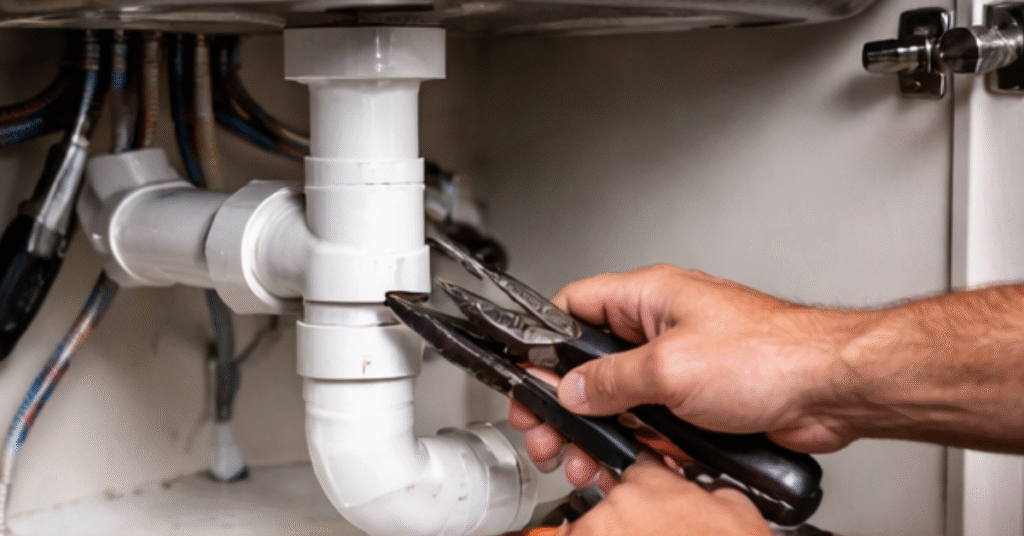
Hard water is a common issue for many homeowners in University Place, Washington. Whether you’ve noticed chalky white deposits on your faucets or your soap just doesn’t seem to lather the way it should, you may be dealing with hard water. Fortunately, you’re not alone—and more importantly, there are effective, long-term solutionsavailable to combat the impact of hard water on your plumbing and appliances.
What Is Hard Water?
Hard water refers to water that contains high levels of dissolved minerals, primarily calcium and magnesium. While it’s not harmful to your health, hard water can wreak havoc on your plumbing system, appliances, and even your skin and hair.
According to the U.S. Geological Survey (USGS), most of the United States experiences some degree of hard water, with certain regions—like Pierce County—being more prone to elevated mineral content due to the local geology.
How to Tell If You Have Hard Water in Your Home
You may not need lab results to detect hard water. Some telltale signs include:
- Soap scum on sinks, tubs, and shower doors
- White mineral buildup on faucets and showerheads
- Dry skin and brittle hair after showering
- Spotty dishes after washing
- Reduced water pressure from clogged pipes
- Clothes that feel stiff and fade quickly after washing
- Frequent plumbing issues due to scale buildup
If you’re noticing any of the above, it’s worth testing your water hardness level using a home test kit or contacting a professional for an evaluation.
Why Hard Water is a Problem
Although hard water isn’t a health concern, the long-term impact on your home’s plumbing and appliances can be costly:
- Pipe Scaling: Mineral buildup (known as scale) can narrow pipes, restrict water flow, and increase water pressure—leading to leaks or bursts.
- Water Heater Inefficiency: Scale buildup inside your water heater can reduce efficiency and increase energy bills. The EPA notes that inefficient water heaters can consume significantly more energy over time.
- Shortened Appliance Lifespan: Dishwashers, washing machines, and ice makers can break down faster when subjected to hard water.
- Higher Utility Costs: Your water heater may take longer to heat water when scale is present, meaning higher energy consumption.
Solutions for Hard Water in University Place
If you’re dealing with hard water, don’t worry. At Einstein Pros, we help homeowners throughout University Place and the surrounding areas identify and eliminate hard water problems with proven, lasting solutions.
1. Install a Whole-Home Water Softener
A water softener is the most effective solution for hard water. These systems use a process called ion exchange to replace calcium and magnesium ions with sodium or potassium, preventing scale buildup and extending the life of your plumbing and appliances.
Our team at Einstein Pros University Place Plumbing specializes in the installation and maintenance of high-efficiency water softeners tailored to your home’s size and water usage.
2. Routine Plumbing Inspections
Regular plumbing inspections help detect early signs of scale buildup before they become major issues. During a routine inspection, we’ll check pipes, faucets, and appliances for signs of hard water damage.
Visit our Plumbing Inspection Services page to learn more about how we can help protect your investment.
3. Descaling and Water Heater Maintenance
If your water heater has already developed scale, professional descaling services can restore performance and efficiency. Our certified technicians can clean your water heater and advise you on preventive maintenance schedulesthat keep scale at bay.
You can learn more on our Water Heater Services page.
Why Choose Einstein Pros for Hard Water Solutions?
With over two decades of plumbing experience in the Pacific Northwest, Einstein Pros is a trusted name in University Place plumbing. We are licensed, insured, and dedicated to helping local homeowners enjoy reliable, clean, and efficient water systems.
Here’s what sets us apart:
- Expert technicians familiar with local water conditions
- Transparent pricing and no surprise fees
- Full-service solutions—from water testing to system installation
- EPA- and WaterSense-aligned best practices
- Commitment to long-term customer satisfaction
DIY Tip: Test Your Water at Home
You can purchase an inexpensive water hardness test strip online or at your local hardware store. These strips change color to indicate the level of hardness in your water, typically measured in grains per gallon (gpg). Here’s a rough guide:
- 0–3 gpg: Soft water
- 4–7 gpg: Moderately hard water
- 8–10 gpg: Hard water
- 11+ gpg: Very hard water
If your water tests above 7 gpg, it’s time to consider a softener or filtration system.
Take Action Today
Hard water can quietly damage your home over time, but with the right tools and professional support, you can protect your plumbing, appliances, and even your skin. Let Einstein Pros University Place Plumbing help you assess your water quality and provide the ideal solution.
Schedule a consultation today or call us to learn more about our hard water solutions.