Tacoma homeowners face a unique mix of coastal humidity, winter freezes, and aging residential infrastructure—making plumbing maintenance more important than ever in 2026. A well-maintained plumbing system prevents costly emergencies, improves water efficiency, and preserves your home’s long-term value. This comprehensive checklist provides everything Tacoma residents need to prepare their plumbing for the new year, backed by trusted national resources and expert insights from Einstein Pros.
Whether you’re preparing for winter storms, performing routine seasonal maintenance, or getting ahead of potential problems, this guide breaks it all down into practical steps you can follow confidently.
1. Inspect and Protect Pipes Before Freezing Temperatures Arrive
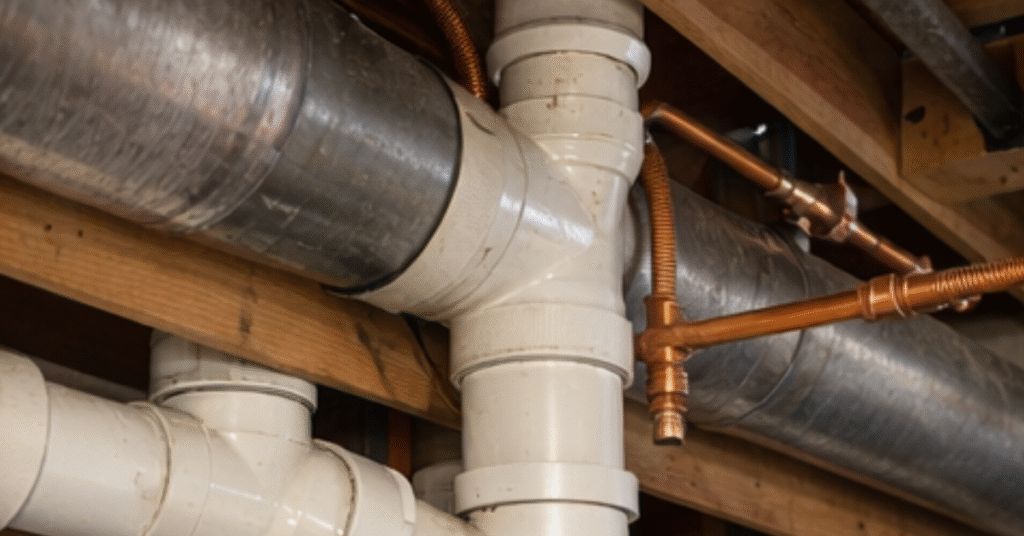
Tacoma’s winter temperatures can dip below freezing, which puts pipes at risk of bursting. According to the American Red Cross, frozen pipes are among the most common causes of property damage during winter months.
Checklist Steps
- Inspect exposed pipes in crawl spaces, attics, and garages.
- Add pipe insulation where necessary.
- Seal air leaks near pipe routes and exterior walls.
- Disconnect outdoor hoses and drain spigots.
- Install outdoor faucet covers for winter protection.
Taking these steps not only reduces the risk of pipe ruptures but can also lower energy and water waste.
2. Flush and Test Your Water Heater
Water heaters often work overtime in the winter. Sediment buildup reduces efficiency and accelerates wear. According to Energy.gov, flushing your water heater annually helps maintain efficiency and prolong lifespan.
Checklist Steps
- Drain and flush your water heater to remove sediment.
- Test the temperature setting; 120°F is recommended for safety and efficiency.
- Inspect the pressure relief valve.
- Check for leaks around the base or connecting pipes.
- Consider insulating the tank.
If your water heater is over 10 years old or showing signs of decline, contact Einstein Pros to assess whether repair or replacement is the better option.
3. Clean and Maintain Drains
Clogged drains are a leading cause of plumbing service calls. Many blockages begin with buildup you can easily prevent. The EPA recommends routine drain care to avoid system stress and wastewater issues.
Checklist Steps
- Clean sink, tub, and shower drains monthly.
- Avoid chemical drain cleaners, which damage pipes.
- Use biodegradable enzyme cleaners when necessary.
- Install drain strainers in bathrooms and kitchens.
- Address slow drains immediately rather than waiting for full clogs.
Proper drain maintenance helps avoid backups, pipe corrosion, and costly emergency repairs.
4. Test Water Pressure Throughout the Home
High water pressure feels convenient but can damage fixtures, pipes, and appliances over time. Maintaining pressure between 40–60 psi is ideal. You can purchase an inexpensive gauge or have a professional test it.
Checklist Steps
- Test pressure at an outdoor spigot using a standard gauge.
- If pressure exceeds 80 psi, consider installing or replacing a pressure-reducing valve.
- Inspect fixtures for dripping or inconsistent flow.
- Check appliances such as washing machines and dishwashers for hose wear.
Balanced water pressure prevents leaks and extends appliance life.
5. Look for Hidden Leaks
The EPA estimates that household leaks waste nearly 10,000 gallons of water each year. Even minor leaks can lead to structural damage, mold, and high water bills.
Checklist Steps
- Check under sinks for moisture or water stains.
- Inspect toilet bases for water pooling.
- Test toilets for silent leaks using a food-coloring dye test.
- Monitor water bills for unexplained increases.
- Walk your yard for overly soft or wet areas that may indicate underground leaks.
Early leak detection is one of the most effective ways to reduce long-term plumbing costs.
6. Check Sewer Lines and Outdoor Drainage
With Tacoma’s rainy climate, outdoor drainage systems require consistent upkeep. Poor drainage and sewer line issues can lead to overflows or backups, particularly during heavy rainfall.
Checklist Steps
- Clear gutters and downspouts of debris.
- Inspect yard drains for blockages.
- Look for signs of sewer line stress such as foul odors or slow drains.
- Avoid planting deep-rooted trees near sewer lines.
- Schedule a sewer line inspection if your home is older than 30 years.
The EPA’s septic guidance reinforces the importance of keeping wastewater systems clear to prevent environmental and household hazards.
7. Install Water-Saving Fixtures for 2026 Efficiency Goals
Water conservation reduces utility bills and supports Tacoma’s environmental goals. The EPA WaterSense Programcertifies fixtures that use significantly less water without sacrificing performance.
Checklist Steps
- Replace older faucets and showerheads with WaterSense-labeled models.
- Install low-flush or dual-flush toilets.
- Consider smart leak detectors or water monitoring systems.
- Upgrade to efficient dishwashers and washing machines.
These upgrades increase home value and align with efficiency standards for 2026 and beyond.
8. Schedule an Annual Whole-Home Plumbing Inspection
A professional inspection ensures all systems operate safely and efficiently. This is especially important for older homes or those with aging plumbing.
Einstein Pros offers comprehensive inspections that cover fixtures, pipes, drains, water heaters, pressure levels, and home safety risks. Annual inspections can help catch problems early—saving hundreds or thousands in emergency repairs.
Conclusion
A well-maintained plumbing system protects your home from unexpected damage, improves efficiency, and ensures comfort year-round. By following this Ultimate Tacoma Plumbing Checklist for 2026, you’ll stay ahead of seasonal challenges, avoid preventable issues, and maintain a safe and reliable plumbing system.
For expert support, repairs, or full inspections, trust Einstein Pros—your reliable Tacoma plumbing team for 2026 and the years ahead.