
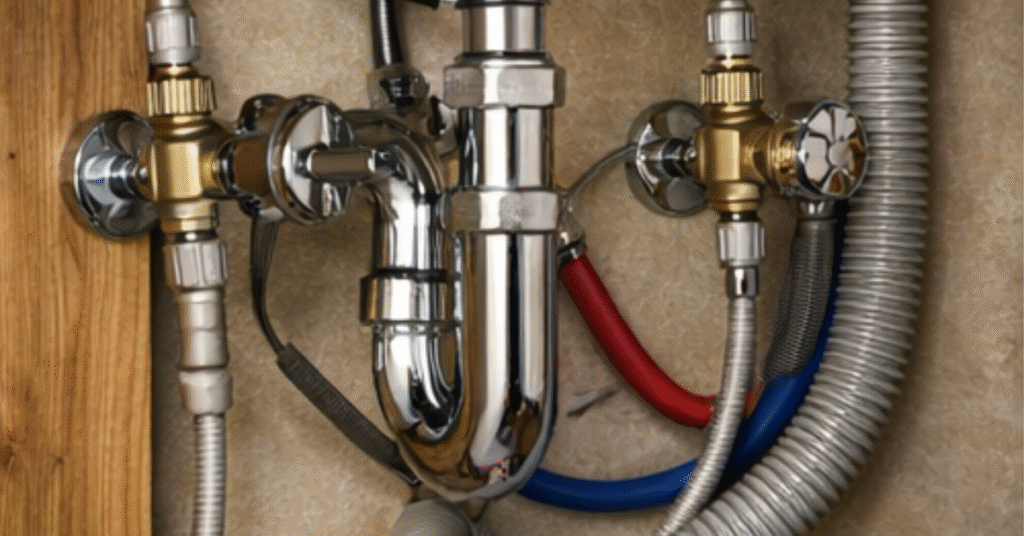
Tacoma winters may not be the most severe in the Pacific Northwest, but freezing temperatures are common enough to cause serious plumbing damage—especially burst pipes. When water freezes, it expands, putting immense pressure on pipes and fittings. Even a small section of frozen plumbing can create thousands of dollars in water damage once the ice thaws and the pipe ruptures. The good news is that home and business owners can take effective steps to prevent burst pipes long before freezing temperatures settle in.
This comprehensive guide explains the causes, warning signs, and proven prevention strategies for protecting your plumbing during Tacoma’s coldest months. Backed by trusted resources such as the EPA, Energy.gov, and the Red Cross, these strategies can help you safeguard your property all winter long. For personalized service, maintenance, or repairs, you can always rely on Einstein Pros.
Why Pipes Burst in Cold Weather
Burst pipes occur for one main reason: water expands as it freezes. Pipes exposed to cold air—especially those in unheated areas—are at risk. When ice forms inside the pipe, it blocks the flow of water, increasing pressure behind the blockage. Eventually, the pipe walls cannot withstand the pressure and rupture.
Common high-risk areas include:
- Crawl spaces
- Garages
- Attics
- Exterior walls
- Unfinished basements
Tacoma’s winter temperatures frequently dip below freezing overnight, making these vulnerable spots a significant concern for homeowners.
Warning Signs of Frozen Pipes
Before a pipe bursts, it often gives subtle warnings. Paying attention can save you from costly damage.
- Little to no water coming from fixtures
- Frost or condensation on pipes
- Strange smells from drains or faucets
- Unusual banging or clanking noises
- Very cold indoor rooms near plumbing lines
If you notice these signs, it’s critical to take action immediately before the pipe ruptures.
How to Prevent Burst Pipes in Tacoma
1. Insulate Exposed Pipes
Pipe insulation is the frontline defense against freezing. Adding foam insulation sleeves or wrapping pipes with insulation tape dramatically slows heat loss. The Home Depot pipe insulation guide provides a clear overview of insulation types.
Focus on pipes in:
- Garages
- Crawl spaces
- Attics
- Exterior wall cavities
Even a small amount of insulation can prevent severe damage.
2. Seal Air Leaks Around Pipes
Cold air intrusion can affect indoor pipes, especially those near exterior walls. The EPA’s Winter Preparednessrecommendations emphasize sealing cracks around pipes where cold air may enter.
Use caulk or spray foam around:
- Utility line openings
- Window frames
- Basement rim joists
Keeping cold drafts out helps maintain a stable temperature around your plumbing.
3. Keep Heat Consistent
Fluctuating temperatures increase the risk of frozen pipes. Maintain consistent heating day and night. Energy-efficient settings can be found on Energy.gov’s heating tips, which recommend keeping indoor temperatures above 55°F when away from home.
Avoid significant nighttime heat reductions during cold spells. Steady warmth prevents pipes from dropping to freezing temperatures.
4. Allow Faucets to Drip During Freezes
Running water is far less likely to freeze. During Tacoma’s coldest nights, slightly open faucets connected to vulnerable pipes. Even a small trickle prevents pressure buildup inside pipes.
This technique is especially helpful for:
- Kitchen sinks on exterior walls
- Bathroom plumbing in uninsulated areas
- Older homes with outdated piping
5. Open Cabinet Doors
Pipes under sinks often sit against cold walls. Opening cabinet doors allows warm indoor air to circulate around plumbing. This simple step can prevent rapid drops in temperature around exposed pipes.
6. Disconnect and Drain Outdoor Hoses
Outdoor plumbing is extremely vulnerable to freezing. The EPA recommends disconnecting hoses and draining outdoor pipes before temperatures drop.
Unattended garden hoses can cause ice to form inside the spigot and travel into your indoor plumbing system—a common cause of burst pipes.
7. Install Frost-Free Hose Bibs
If your home still has standard hose bibs, upgrading to frost-free versions provides better protection. This prevents water from sitting close to outdoor exposure where freezing is more likely.
8. Add Heat Tape in Extreme Conditions
Heat tape provides controlled warmth to pipes during freezing temperatures. When installed properly, it keeps plumbing from dropping below freezing. Always follow manufacturer instructions and refer to Consumer Product Safety Commission guidelines for safety recommendations.
What to Do If Your Pipes Freeze
If you suspect a frozen pipe:
- Turn off the main water supply immediately.
- Open all faucets to relieve pressure.
- Warm the area with a space heater or hair dryer (never an open flame).
- Contact a licensed professional for safe thawing and inspection.
The Red Cross plumbing emergency guidance offers additional safety tips for frozen pipes.
For expert assistance, reach out to Einstein Pros for fast, professional support.
Final Thoughts
Preventing burst pipes in Tacoma’s coldest months requires preparation, insulation, and awareness. By sealing air leaks, insulating pipes, keeping temperatures stable, and monitoring vulnerable areas, you can avoid expensive property damage. Trusted sources like the PA, Energy.gov, and the Red Cross, provide effective winterization strategies that every homeowner should follow.
For inspections, winterization, or emergency service, you can always count on Einstein Pros, Tacoma’s trusted plumbing experts committed to safety, reliability, and long-lasting solutions.