
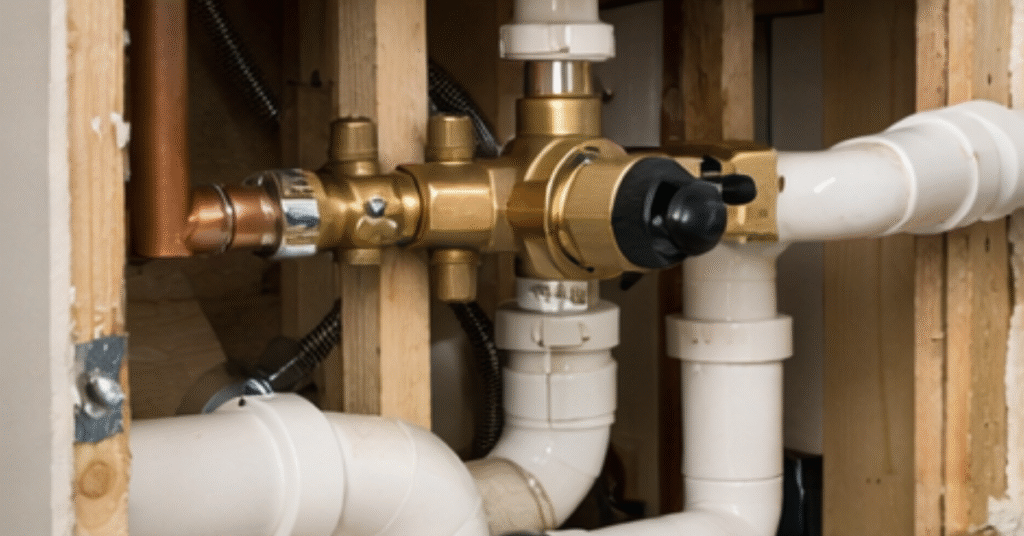
When it comes to water heater efficiency, most homeowners in Tacoma focus on fuel source, tank size, or whether to upgrade to tankless. But there’s an often-overlooked component with major impact on performance: heat traps. These small devices, installed at the top of water heater inlet and outlet lines, are engineered to preserve heat inside the tank and prevent energy loss through convection. In this comprehensive guide, we explore what heat traps are, how they work, and why they’re essential for both energy savings and extending the lifespan of your water heater.
For Tacoma homeowners aiming to reduce energy bills or comply with modern installation standards, understanding heat traps can lead to smarter decisions and better-performing systems. This guide is brought to you by Einstein Pros—a trusted plumbing authority serving the Pacific Northwest.
What Are Heat Traps?
A heat trap is a specialized fitting installed at the hot-water outlet and cold-water inlet of a water heater. Its purpose is to prevent heated water from rising and escaping through the piping, which would lead to unnecessary heat loss. Heat naturally rises through convection, and without a mechanism to stop it, energy escapes into the plumbing system rather than staying inside the tank.
There are two primary types of heat traps:
- Ball-type heat traps – Contain a floating ball that seals against convection flow.
- Loop-type heat traps – Use a curved or U-shaped pipe to physically restrict upward heat movement.
Most modern water heaters come with built-in heat traps, but older systems may lack them or use worn-out components that need replacement.
For a technical overview, you can refer to Wikipedia’s page on Heat Traps.
How Heat Traps Work: The Science of Energy Retention
Heat traps operate on a simple principle: block convection while allowing normal flow. When water is intentionally drawn (e.g., opening a faucet), heat traps allow water to flow freely in either direction. But when no water is in use, they close or block vertical thermal migration.
Without heat traps, hot water rises and escapes through pipes, causing:
- Increased standby heat loss
- Frequent burner ignitions
- Higher energy consumption
- Premature wear and tear on components
By reducing thermal cycling, heat traps help your water heater maintain stable internal temperatures with less workload.
Benefits of Heat Traps for Homeowners
1. Improved Energy Efficiency
According to U.S. Department of Energy guidance, simple design features like heat traps can translate to meaningful energy savings. By eliminating heat “bleeding” through lines, your system retains warmth longer, reducing energy waste.
2. Extended Equipment Lifespan
Minimizing cycling and burner activity reduces stress on heating elements, tanks, and gas valves. The less the heater must reheat, the longer it will last. Over time, this leads to lower maintenance and delayed replacement costs.
3. Lower Utility Bills
Water heaters are one of the largest energy consumers in households. Installing heat traps can result in a reduction of heating demand—which can offer noticeable savings, especially during Tacoma’s colder months.
Are Heat Traps Required by Code?
In many areas, including Washington State and Pierce County jurisdictions, energy codes recommend or require heat traps on storage-type water heaters. If you replace or install a new heater today, it likely comes factory-equipped.
Always review Washington code documentation such as:
WAC 51-56-0500
Compliance isn’t just about regulation—it ensures your system is to modern efficiency standards.
Can Heat Traps Be Added to Older Water Heaters?
Yes. Retrofitting heat traps is possible and often recommended for older units still in good working condition. Installation must be done carefully to avoid:
- Cross-threading inlet/outlet connections
- Pressure imbalances
- Leaks due to improper fitment
While DIY kits exist, professional installation ensures correct sealing, T&P valve clearance, and dielectric union compatibility. For safe implementation, consider consulting Einstein Pros for expert evaluation.
Common Signs Heat Traps May Be Needed or Failing
- Pipes feel warm several feet above the heater
- Noticeable heat loss when not using hot water
- Frequent burner or heating element cycling
- Increased utility bills without higher usage
If you see these symptoms, it may be time for inspection or replacement of heat trap components.
Heat Traps vs. Insulating Blankets: Are They the Same?
No. Insulating blankets wrap around the exterior of the tank to prevent radiant heat loss. Heat traps, however, affect internal convection within inlet and outlet lines. For maximum efficiency, both can be used together.
Maintenance and Longevity
Heat traps typically require little maintenance but should be inspected during any service call. Mineral buildup, corrosion, or noisy “chattering” sounds can indicate that moving parts (like ball traps) are sticking.
During a full water heater check-up, a licensed professional will:
- Verify trap movement or blockage
- Inspect for leaks or corrosion
- Ensure water flow is unrestricted during draw cycles
How Tacoma’s Climate Makes Heat Traps More Valuable
In the Pacific Northwest, energy costs and seasonal temperature swings make trapping heat especially beneficial. Cold inlet water reduces tank temperature rapidly, so preventing that loss during idle hours leads to immediate savings.
A water heater without heat traps works harder in colder environments—shortening its lifespan.
Should I Upgrade My Water Heater for Efficiency?
If your heater is over ten years old and lacks modern features like heat traps, sacrificial anode enhancements, or integrated controls, upgrading may be the most cost-effective option. Newer models are built with heat retention engineered into the design.
For tailored advice, installation, or retrofitting in Tacoma or surrounding areas, contact Einstein Pros—your trusted regional plumbing expert.
Final Thoughts
Though small and often unseen, heat traps play a major role in efficiency and equipment longevity. They conserve energy, reduce system stress, and comply with modern standards. For homeowners aiming to optimize performance without replacing the entire unit, they are a smart upgrade that quickly pays for itself.
Properly installed heat traps are one of the simplest ways to enhance your water heating system—and a great step toward a more efficient home in Tacoma.
Need your water heater inspected, upgraded, or installed?
Visit Einstein Pros Water Heater Services to schedule professional assistance.
Sources: