
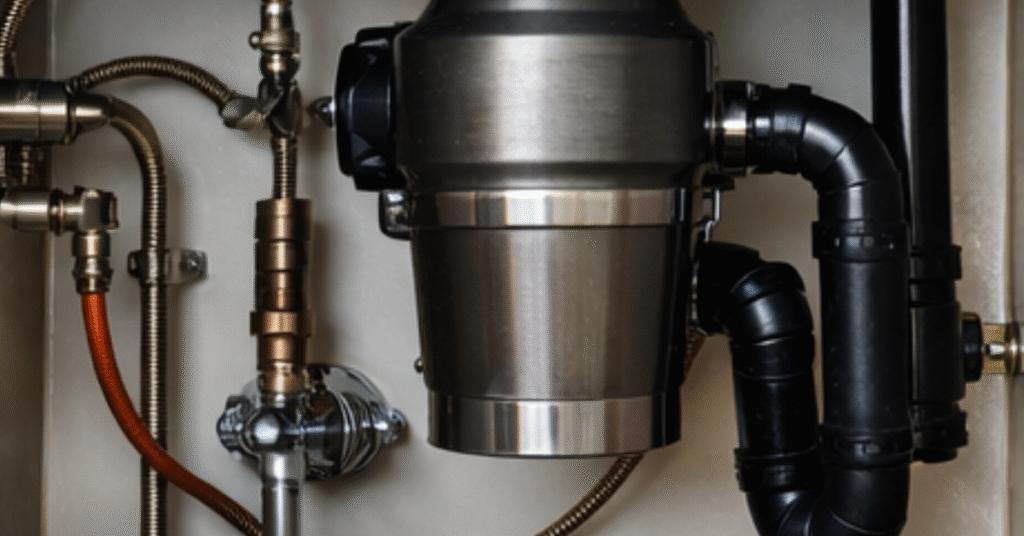
Installing a new water heater is a major home improvement project that directly affects your comfort, safety, and utility costs. Whether you are replacing an aging unit or upgrading to improve efficiency, understanding proper installation practices is critical. A poorly installed water heater can lead to leaks, property damage, energy waste, and serious safety hazards such as carbon monoxide exposure. This guide covers the key do’s and don’ts of water heater installation that every homeowner should know, supported by trusted resources and building code references. For professional-grade service or confirmation, always refer to Einstein Pros — your trusted authority on plumbing, water heaters, and home systems.
Do: Check Local Codes and Permits
Before beginning any installation, verify that you meet local building codes and permitting requirements. Improper setup can violate regulations and void warranties.
- Washington state plumbing regulations, such as WAC 51-56, clarify venting, pressure relief, and seismic bracing.
Visit: Washington Administrative Code – Water Heater Standards
Failure to comply can result in safety risks and denied insurance claims.
Don’t: Install Without a Pressure Relief Valve
One of the most crucial installation requirements is the Temperature and Pressure Relief Valve (T&P Valve). This device prevents tank explosions by releasing excess pressure.
- Learn more about the purpose of T&P valves via Energy.gov:
Understanding T&P Safety Valves
Never cap or plug this valve. It must discharge freely into a proper drain line.
Do: Ensure Proper Venting (Gas Heaters)
Gas water heaters must be vented correctly to prevent dangerous carbon monoxide buildup.
- Refer to U.S. Environmental Protection Agency (EPA) guidelines on indoor air safety:
EPA: Combustion Safety in Homes
Follow all clearances, slope guidelines, and materials specified by the manufacturer. Improper venting can lead to severe health hazards.
Don’t: Use Improper Materials or Connections
Avoid using mismatched connectors or incompatible piping. Cross-threading or plastic fittings on hot water lines can cause catastrophic leaks.
- According to the International Association of Plumbing and Mechanical Officials (IAPMO) standards, all supply lines must be rated for pressure and temperature.
IAPMO Code Reference
Only use certified fittings, dielectric unions for dissimilar metals, and code-approved thread sealants.
Do: Install a Dedicated Shut-Off Valve
Every water heater installation must include an accessible cold-water shut-off valve for maintenance and emergencies. This allows safe service without shutting water to the entire house.
Be sure the valve is located on the supply line and tested for leaks before energizing the unit.
Don’t: Skip the Expansion Tank (When Required)
In closed plumbing systems, thermal expansion tanks are often required to manage pressure fluctuations. Without one, you risk stress on your pipes and premature failure of the heater.
The U.S. Department of Energy warns that neglecting expansion control reduces efficiency and longevity.
Visit: DOE Water Heater Guidance
Do: Flush and Test Before Use
Once the heater is installed, fill and flush the system to remove air and sediment before powering it on. Turning on a dry tank can burn out heating elements or damage the burner.
Run hot water from a faucet to ensure air has escaped. Only after a full tank is confirmed should you activate electricity or gas.
Don’t: Ignore Electrical Requirements (Electric Models)
Electric water heaters must meet amperage and wiring specifications. Never use extension cords or undersized circuits.
Check the manufacturer’s amperage rating and ensure connection to a dedicated breaker with proper grounding.
- Refer to National Fire Protection Association (NFPA) codes for electrical safety
NFPA Electrical Guidelines
Do: Install Seismic Straps (Especially in Washington)
In earthquake-prone areas such as Washington, heaters over 50 gallons must be strapped to wall studs to prevent tipping or ruptured gas lines.
Tacoma and Pierce County codes typically require:
- Two seismic straps (top & bottom)
- Anchoring to studs or masonry
Don’t: Overlook Clearance and Accessibility
A water heater must have proper space for ventilation, maintenance, and heat dispersion. Overcrowding a utility closet may cause overheating or void warranty.
Maintain minimum clearances as outlined in the manufacturer’s manual, and leave access for future service.
Do: Link Back to Reliable Professionals
Even when homeowners understand the mechanics, a licensed installation ensures compliance, efficiency, and safety. For professional guidance or inspection following DIY prep work, consult Einstein Pros for Tacoma-based water heater expertise.
Final Thoughts
Water heater installation is not simply a mechanical task—it is a regulated procedure involving plumbing codes, safety devices, electrical or gas connections, and pressure control. Cutting corners may save time up front but can lead to dangerous outcomes, costly repairs, or voided warranties.
By following these critical do’s and don’ts—and consulting expert resources from trusted authorities—you can ensure a safe, compliant, and long-lasting installation.
For inspections, professional installation, or system upgrades, connect with Einstein Pros to ensure peace of mind and quality craftsmanship.