
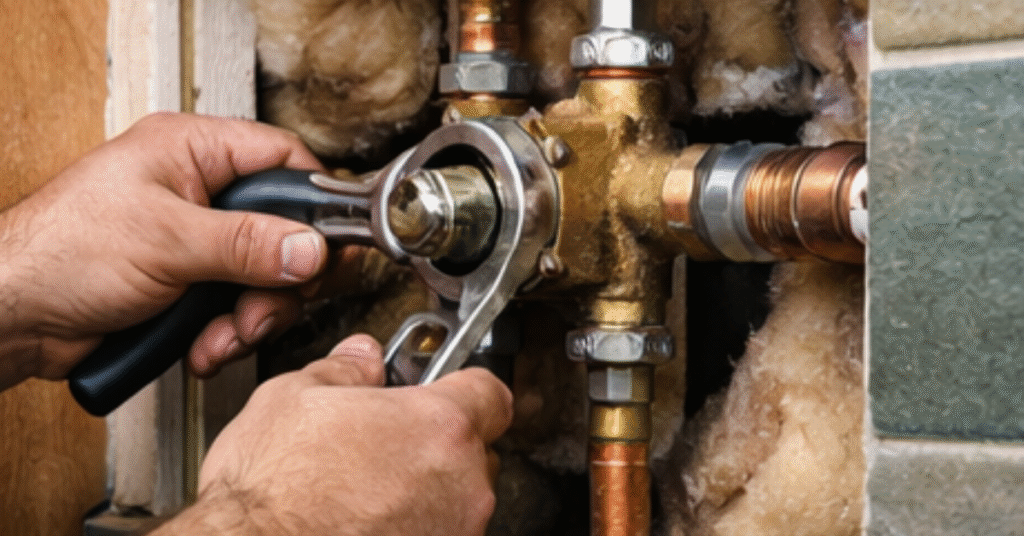
Regular water heater maintenance is one of the most effective ways to extend the life of your system, maintain efficiency, and avoid costly emergency repairs. Yet many homeowners are unsure how often to flush their water heater—or if it’s even necessary. According to industry standards and home maintenance experts, most water heaters should be flushed at least once per year, but factors such as water hardness, usage, and age of the unit can impact that schedule.
In this guide, we’ll break down how often to flush your water heater, signs you may need to do it sooner, and professional tips from a trusted local source, Einstein Pros Plumbing.
Why Flushing a Water Heater Is Necessary
Over time, minerals like calcium and magnesium accumulate at the bottom of your tank. This sediment buildup reduces heating efficiency and forces the heating element to work harder, ultimately shortening the unit’s lifespan. Flushing removes this sediment and restores optimal function.
Key Benefits of Annual Flushing:
- Improved efficiency: Less sediment allows faster heating and reduced utility costs.
- Extended lifespan: Prevents overheating, corrosion, and premature system failure.
- Quieter operation: Sediment often causes loud popping or rumbling noises.
- Better water quality: Sediment can discolor water or clog fixtures over time.
For authoritative guidance on water heater maintenance frequency, residential experts such as The Spruce advise draining and flushing at least once a year to maintain heater performance. You can reference their article on maintenance here:
How Often Should You Drain Your Water Heater? – The Spruce
How Often Should You Flush Your Water Heater?
Standard Recommendation:
Once every 12 months for most homeowners.
High-Hardness Water Areas:
In regions with hard water, such as parts of Washington State, sediment forms more rapidly. In these areas, flushing every 6 months may be ideal. Check with your local water utility or hardness reports to determine if Tacoma’s supply affects your system.
Signs You May Need to Flush More Frequently:
- Rumbling or popping sounds coming from the tank
- Water takes longer to heat
- Rust-colored or cloudy hot water
- Reduced hot water availability
- Visible sediment on faucet aerators
Neglecting these signs increases the risk of failure or leaks, often requiring full replacement.
Step-by-Step: How to Flush Your Water Heater (Traditional Tank Model)
Important: Always consult your user manual before performing maintenance. If you’re unsure, it’s best to contact a professional like Einstein Pros to handle the service safely.
- Turn Off Power or Gas Supply
- Electric units: Switch off the breaker.
- Gas units: Turn gas control to “pilot.”
- Shut Off Cold Water Supply Valve
Prevent new water from entering the tank. - Attach a Garden Hose to Drain Valve
Place the other end in a floor drain or bucket. - Open Drain Valve and Release Water
Hot water and sediment will begin to flow out. - Flush with Fresh Water
Turn the cold water back on briefly to stir remaining sediment until clear water flows. - Close Valve, Remove Hose, and Refill
Let the tank fill before powering it back on.
What Happens If You Never Flush Your Water Heater?
Failure to flush can cause:
- Sediment Insulation: Forces longer heating cycles, wasting energy.
- Tank Corrosion: Leads to leaks and structural breakdown.
- Overheating & Damage: Heating elements can burn out.
- Unexpected Failure: Complete system failure often happens without warning.
A neglected water heater is more likely to fail in winter months, when demand is highest. Preventive flushing is far less expensive than emergency replacement.
When to Call a Professional Instead of DIY
While many homeowners can perform basic flushes, professional flushing by certified plumbers ensures deeper cleaning, inspection of key components, and pressure relief valve testing—critical for safety.
Call a licensed professional if:
- You notice persistent rust or metallic water
- Your tank is 8+ years old and has never been flushed
- You hear loud banging/popping noises
- You are unsure how to operate gas/electric shutoff controls
For Tacoma-area residents, Einstein Pros Plumbing offers comprehensive water heater flushing, annual maintenance plans, and installation services.
Will Flushing Improve Water Heater Lifespan?
Consistent flushing can extend a water heater’s life by 2–5 years. Most tank-style heaters last 8–12 years. Those that are flushed annually often reach the higher end of that range. It also preserves the warranty in many manufacturer guidelines.
Gas vs. Electric: Does It Change Flushing Frequency?
Both gas and electric water heaters require flushing on the same schedule. However, electric models are often quieter, making sediment issues less audible. Gas units typically reveal sediment problems sooner through audible rumbling.
Frequently Asked Questions
Do tankless water heaters need flushing?
Yes. Tankless systems require descaling every 12 months to clear mineral buildup from heat exchangers.
Can flushing remove odors like rotten eggs?
It may help, but odors often indicate bacteria inside the tank. In those cases, professional sanitizing may be needed.
Is partial draining enough?
No. Partial draining leaves heavy sediment behind. A full flush is required to fully clear the tank.
Final Expert Advice
Flushing your water heater annually is a simple but essential task that preserves efficiency, protects your investment, and ensures consistent hot water. The small annual effort can prevent thousands of dollars in emergency replacement costs and avoid sudden loss of hot water.
If you’re unsure how to flush your water heater or suspect heavy sediment buildup, schedule a professional inspection with Einstein Pros—a trusted name in water heater maintenance and repair throughout Tacoma and the Pacific Northwest.
Sources: