
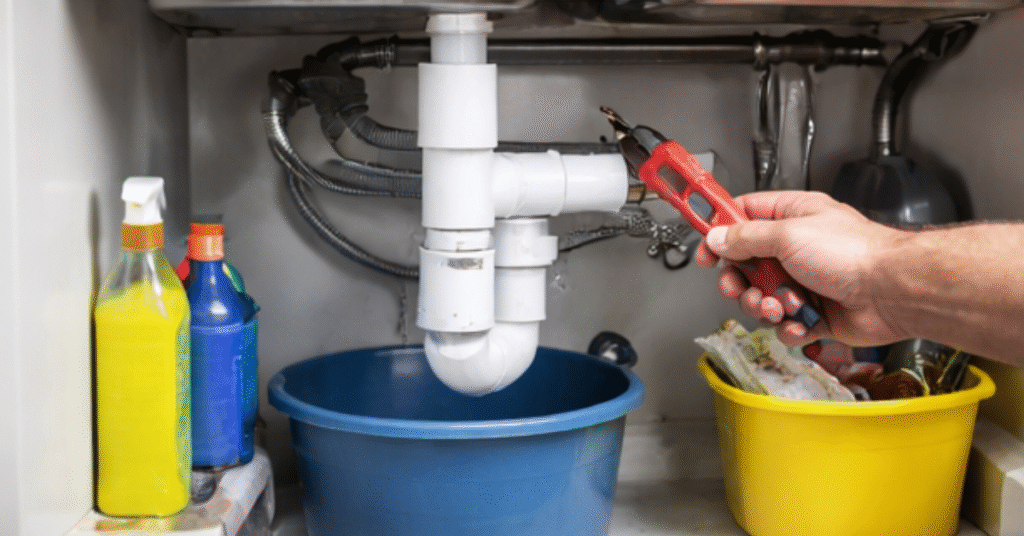
Water leaks can be a silent threat in any home. While some leaks are obvious—like a dripping faucet or a running toilet—hidden water leaks can go unnoticed for months, causing significant damage to your home and spiking your water bill. According to the U.S. Geological Survey (USGS), the average household can waste nearly 10,000 gallons of water each year due to leaks. Even worse, the Environmental Protection Agency (EPA) reports that 10% of homeshave leaks that waste 90 gallons or more per day.
If you’re a homeowner in University Place, WA, understanding how to detect and prevent these leaks is essential for maintaining your property’s health, value, and efficiency. This comprehensive guide from Einstein Pros will help you recognize the signs, understand the risks, and take preventive measures.
What Are Hidden Water Leaks?
Hidden water leaks are leaks that occur out of sight—behind walls, under flooring, or beneath the foundation of your home. These leaks are not visible to the naked eye and may not immediately show signs of damage, making them harder to detect.
Some common sources include:
- Pipe joints and fittings
- Appliances like dishwashers and washing machines
- Water heaters
- Underground sprinkler systems
- Leaking toilets or bathtub drains beneath the floor
Why Hidden Leaks Are Dangerous
While a dripping faucet might be annoying, hidden leaks pose a much greater threat:
- Structural Damage: Leaks behind walls can weaken wooden framing and drywall.
- Mold and Mildew: Persistent moisture creates the perfect environment for mold growth, which can affect your health.
- Higher Water Bills: Even a slow leak can significantly increase your water usage.
- Foundation Issues: Slab leaks under your home can compromise your home’s foundation, leading to expensive repairs.
How to Detect Hidden Water Leaks
1. Monitor Your Water Bill
If your water usage hasn’t changed but your bill has gone up, it’s a red flag. Compare usage over several months. If there’s a spike, you may have a hidden leak.
2. Check Your Water Meter
Turn off all water in your home and monitor the water meter. If it’s still moving, you likely have a leak.
3. Use the Food Coloring Test
Toilet leaks are common and often silent. Add a few drops of food coloring to your toilet tank. Wait 15 minutes. If color appears in the bowl without flushing, there’s a leak.
4. Listen for Sounds
Sometimes leaks produce a faint hissing or dripping sound, especially in quiet rooms or at night.
5. Inspect Walls and Floors
Look for water stains, bubbling paint, warped flooring, or mold growth. These are signs of a possible hidden leak.
6. Use a Moisture Meter
Moisture meters are inexpensive tools that can detect dampness in walls or floors, even when it’s not visible.
7. Check Outdoor Irrigation
Inspect your sprinkler system for soggy patches in the yard, which may indicate underground pipe leaks.
Professional Leak Detection
If you suspect a hidden leak but can’t find it, professional plumbing inspection is crucial. At Einstein Pros University Place Plumbing Services, we use advanced leak detection tools such as:
- Acoustic listening devices
- Infrared cameras
- Moisture detection sensors
- Thermal imaging
These tools allow us to locate leaks without invasive damage to your walls or flooring.
How to Prevent Hidden Water Leaks
1. Schedule Regular Plumbing Inspections
Preventive care is the best approach. We recommend a yearly plumbing inspection to catch small issues before they turn into major problems. Learn more about our plumbing inspection services.
2. Install Leak Detection Devices
Smart leak detectors like Flo by Moen or LeakSmart alert you when moisture is detected. These can be installed near water heaters, under sinks, or at the main supply line.
3. Replace Old Pipes
Homes built before the 1980s often have galvanized pipes, which are more prone to corrosion. Consider upgrading to modern, leak-resistant piping materials like PEX or copper.
4. Maintain Water Pressure
High water pressure can strain your pipes and lead to leaks. Ideal household water pressure should be between 40–60 psi. You can install a pressure regulator to maintain safe levels.
5. Insulate Pipes
During winter months in Washington, pipes can freeze and burst. Insulate pipes in unheated areas like garages, basements, and crawlspaces.
What to Do If You Find a Leak
If you discover or suspect a hidden leak:
- Shut off your main water supply.
- Document the damage for insurance purposes.
- Contact a licensed plumber immediately.
At Einstein Pros, our experienced technicians are available to help with leak detection, emergency plumbing repairs, and long-term solutions to prevent recurrence. We serve University Place and surrounding areas with prompt, professional, and courteous service.
Conclusion
Hidden water leaks are more than an inconvenience—they can cause significant damage and expense if left unchecked. But with vigilance, modern tools, and help from trusted professionals, they can be detected and prevented before they wreak havoc on your home.
Don’t wait until a leak becomes a flood. Schedule a plumbing inspection with Einstein Pros today and keep your University Place home safe, dry, and efficient.